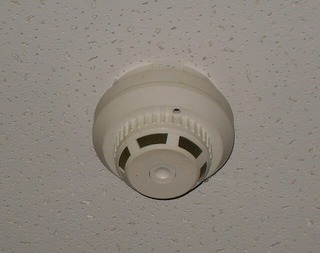
Smoke detectors are small devices with a big job: saving lives by alerting us to smoke and potential fires. But how do they actually work? The answer depends on the type of smoke detector, but all of them share one goal—detect smoke quickly and sound the alarm.
The Two Main Types of Smoke Detectors
There are two main types of smoke detectors commonly used in homes:
- Ionization Smoke Detectors
- Photoelectric Smoke Detectors
Each detects smoke in a different way.
1. Ionization Smoke Detectors
These are especially good at detecting fast-flaming fires, like a kitchen grease fire or a paper fire.
How they work:
- Inside the detector is a small amount of radioactive material between two charged plates.
- This creates a steady flow of ions (electrically charged particles) between the plates.
- When smoke enters the chamber, it disrupts the flow of ions.
- The detector senses this change and sounds the alarm.
2. Photoelectric Smoke Detectors
These are more responsive to slow, smoldering fires, like a cigarette burning on a couch.
How they work:
- Inside is a light beam and a light sensor placed at an angle.
- Under normal conditions, the light beam doesn’t hit the sensor.
- When smoke enters the chamber, it scatters the light, redirecting it onto the sensor.
- Once the sensor detects the light, the alarm goes off.
Some Detectors Combine Both
To offer the best protection, many modern smoke alarms are dual-sensor, combining ionization and photoelectric technology. This helps detect both fast and slow fires more reliably.
Power Sources
Smoke detectors can be:
- Battery-operated
- Hardwired into your home’s electrical system (with battery backup)
- Smart detectors connected to Wi-Fi or smart home systems
It’s important to test your smoke detectors monthly and replace batteries at least once a year (unless you have a sealed 10-year battery). Most detectors should be replaced every 10 years.
Extra Features
Some smoke detectors also detect:
- Carbon monoxide (a deadly gas you can’t see or smell)
- Heat
- Connectivity to alert your phone if you’re not home
Summary: Smoke detectors work by sensing smoke particles in the air using ionization or light-based technology. When smoke is detected, they trigger an alarm to warn you of potential danger—giving you valuable time to act.
 Answer Shelf
Leave a comment