Earthquakes are among nature’s most powerful and unpredictable events. They can shake cities, reshape landscapes, and even trigger tsunamis. But what exactly causes an earthquake?
The Science Behind Earthquakes
At the heart of most earthquakes is the movement of the Earth’s tectonic plates. The Earth’s outer shell, or crust, is not a single unbroken layer. Instead, it is divided into several large and small pieces called tectonic plates, which float on the semi-fluid layer of the mantle beneath them.
These plates are constantly moving, although usually very slowly—just a few centimeters each year. Sometimes, their edges get stuck due to friction. When the stress from the moving plates builds up enough to overcome the friction, it’s suddenly released in the form of energy. This release causes the ground to shake, which we feel as an earthquake.
Common Causes of Earthquakes
- Plate Boundaries: Most earthquakes happen along the edges of tectonic plates. There are three main types of boundaries:
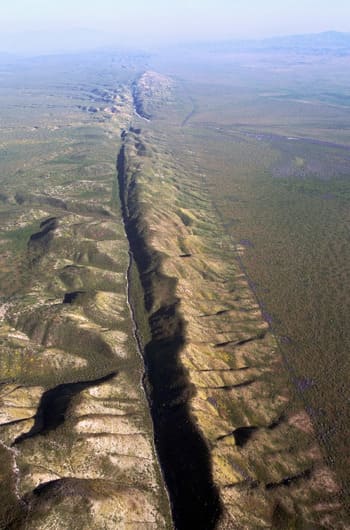
- Transform boundaries (plates slide past each other, like along California’s San Andreas Fault)
- Convergent boundaries (plates collide, causing one plate to be forced beneath another)
- Divergent boundaries (plates move apart, like along mid-ocean ridges)
- Faults: A fault is a crack in the Earth’s crust where earthquakes are likely to occur. Movement along these faults causes seismic activity.
- Volcanic Activity: Some earthquakes are linked to volcanic eruptions. As magma moves beneath a volcano, it can cause the ground to tremble.
- Human Activity: Activities like mining, reservoir-induced seismicity (from the weight of water in large dams), and even fracking can sometimes cause smaller, human-triggered earthquakes, called induced earthquakes.
How Earthquakes Are Measured
Scientists measure earthquakes using instruments called seismographs. The strength, or magnitude, of an earthquake is usually reported using the Richter scale or, more commonly today, the Moment Magnitude Scale (Mw). Magnitudes below 3.0 are generally not felt by people, while magnitudes above 7.0 can cause serious damage.
Why Some Places Are More Prone Than Others
Regions located along active plate boundaries, like the Pacific “Ring of Fire,” experience more frequent and intense earthquakes. Places like Japan, Indonesia, Chile, and the west coast of the United States are especially vulnerable.
Meanwhile, areas located far from plate boundaries, known as intraplate regions, usually have fewer earthquakes. However, they are not immune—large intraplate earthquakes can and do occur, just far less frequently.
Can Earthquakes Be Predicted?
Despite advances in science and technology, earthquakes cannot be precisely predicted. Scientists can identify regions at higher risk based on historical activity and plate tectonics, but predicting the exact time, location, and magnitude of an earthquake remains beyond our current capabilities.
Final Thoughts
Earthquakes are a natural result of our ever-changing planet. Understanding their causes helps scientists develop better building practices, early warning systems, and emergency preparedness plans—all crucial steps in minimizing damage and saving lives when earthquakes strike.


 Answer Shelf