Answer Shelf

Tag: Household

  • How Do Ants Always Find Food – Even in a Clean Kitchen?

    How Do Ants Always Find Food – Even in a Clean Kitchen?

    You’ve just scrubbed your kitchen spotless. Counters are wiped down, floors mopped, no crumbs in sight—yet somehow, ants show up like they got a dinner invitation. How do they do it?

    It Starts With Scouts

    Ants send out scout workers to explore their environment in search of food. These scouts wander seemingly aimlessly, but their job is critical. Once one of them finds something edible – no matter how tiny – it immediately heads back to the colony, leaving behind a trail of invisible chemical signals called pheromones.

    Follow the Trail

    This pheromone trail acts like a GPS path for other ants. As more ants follow it and find the food, they reinforce the trail by adding more pheromones. Within a short time, what started as a single curious ant turns into a full-on ant procession marching through your kitchen.

    Super Sensitive Senses

    Ants don’t need a mess to find food. They can detect even the smallest traces of sugar, grease, or other organic matter that human eyes might miss. That tiny drop of juice that dried up on the counter? A five-star buffet to an ant.

    Cracks and Crannies

    Ants are also masters of infiltration. They can slip through the tiniest cracks in walls, baseboards, or around doors and windows. Even if your kitchen looks sealed off, there are likely microscopic entry points you’re not seeing.

    Why They Keep Coming Back

    Once a food source is found, the colony essentially bookmarks your kitchen. Even after cleaning, if you don’t eliminate the pheromone trail or the entry points, more scouts may return to “double check” the spot.

    How to Outsmart Them

    • Wipe thoroughly with vinegar or soapy water to disrupt pheromone trails.
    • Seal entry points with caulk or weather stripping.
    • Store food tightly and take out garbage regularly.
    • Fix leaks, as water is just as attractive to ants as food.

    Ants are incredibly organized and persistent, but with a few proactive steps, you can make your kitchen a lot less appealing to them – even if it’s already spotless.
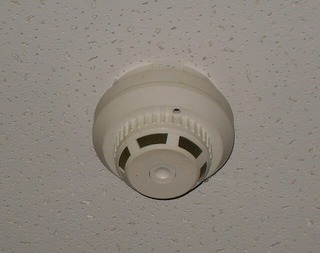
  • How Do Smoke Detectors Work?

    How Do Smoke Detectors Work?

    Smoke detectors are small devices with a big job: saving lives by alerting us to smoke and potential fires. But how do they actually work? The answer depends on the type of smoke detector, but all of them share one goal—detect smoke quickly and sound the alarm.

    The Two Main Types of Smoke Detectors

    There are two main types of smoke detectors commonly used in homes:

    1. Ionization Smoke Detectors
    2. Photoelectric Smoke Detectors

    Each detects smoke in a different way.

    1. Ionization Smoke Detectors

    These are especially good at detecting fast-flaming fires, like a kitchen grease fire or a paper fire.

    How they work:

    • Inside the detector is a small amount of radioactive material between two charged plates.
    • This creates a steady flow of ions (electrically charged particles) between the plates.
    • When smoke enters the chamber, it disrupts the flow of ions.
    • The detector senses this change and sounds the alarm.

    2. Photoelectric Smoke Detectors

    These are more responsive to slow, smoldering fires, like a cigarette burning on a couch.

    How they work:

    • Inside is a light beam and a light sensor placed at an angle.
    • Under normal conditions, the light beam doesn’t hit the sensor.
    • When smoke enters the chamber, it scatters the light, redirecting it onto the sensor.
    • Once the sensor detects the light, the alarm goes off.

    Some Detectors Combine Both

    To offer the best protection, many modern smoke alarms are dual-sensor, combining ionization and photoelectric technology. This helps detect both fast and slow fires more reliably.

    Power Sources

    Smoke detectors can be:

    • Battery-operated
    • Hardwired into your home’s electrical system (with battery backup)
    • Smart detectors connected to Wi-Fi or smart home systems

    It’s important to test your smoke detectors monthly and replace batteries at least once a year (unless you have a sealed 10-year battery). Most detectors should be replaced every 10 years.

    Extra Features

    Some smoke detectors also detect:

    • Carbon monoxide (a deadly gas you can’t see or smell)
    • Heat
    • Connectivity to alert your phone if you’re not home

    Summary: Smoke detectors work by sensing smoke particles in the air using ionization or light-based technology. When smoke is detected, they trigger an alarm to warn you of potential danger—giving you valuable time to act.

  • Why Do Clothes Shrink in the Wash?

    Why Do Clothes Shrink in the Wash?

    Ever pulled your favorite shirt out of the laundry only to find it a size too small? You’re not alone—shrinking clothes is a common laundry mishap. But why does it happen? The answer lies in the science of fabric, heat, and movement.

    What Causes Clothes to Shrink?

    Clothes shrink because of a combination of heat, moisture, and agitation (movement), especially during washing and drying. When these three elements interact with certain fabrics, they cause the fibers to tighten or change shape.

    Here are the main reasons clothes shrink:

    1. Natural Fibers React to Heat and Water

    Fabrics like cotton, wool, and linen are made of natural fibers that are stretched and woven during manufacturing. When exposed to hot water or high dryer temperatures, these fibers can contract back to their original state, making the clothing smaller.

    • Cotton: Absorbs water easily and can shrink significantly when dried with high heat.
    • Wool: Contains scales that lock together when agitated in warm water, causing it to shrink and felt (become dense and stiff).

    2. Tension Released During Washing

    Many clothes are stretched slightly during production to achieve their shape and size. Washing and drying—especially with heat—can release this tension, allowing the fibers to “relax” and pull back in, resulting in shrinkage.

    3. Agitation and Friction

    Washing machines and dryers spin and tumble clothes around, which creates mechanical stress. This movement, especially in combination with heat and water, can cause the fabric to become tighter and more compact.

    Which Fabrics Are Most Likely to Shrink?

    • High Risk: Cotton, wool, rayon, and other natural fibers
    • Low Risk: Polyester, nylon, spandex, and other synthetic fabrics

    Synthetic fabrics are usually more stable because they’re engineered to resist changes in shape and size.

    How to Prevent Shrinking

    Here are a few simple tips to keep your clothes from shrinking:

    • Read the care label before washing
    • Wash in cold water to reduce heat exposure
    • Air-dry or use the dryer’s low heat setting
    • Avoid over-drying, which can tighten fibers further
    • Use a gentle cycle to reduce friction and agitation

    Summary: Clothes shrink when heat, moisture, and movement cause natural fibers to contract or return to their original form. By choosing the right wash settings and being mindful of fabric types, you can keep your favorite clothes looking and fitting just right.