Answer Shelf

Tag: Wellness

  • Why Do We Itch, and Why Does It Feel Better to Scratch?

    Why Do We Itch, and Why Does It Feel Better to Scratch?

    Itching is one of those universal human experiences. Whether it’s from a mosquito bite, dry skin, or an allergic reaction, the sensation compels us to scratch. And that relief, even if brief, feels so good. But why do we itch in the first place? And what’s happening in our bodies that makes scratching so satisfying?

    What Causes Itching?

    Itching is a complex sensory experience triggered by many factors. At its core, it’s the body’s way of signaling that something may be wrong on the surface of the skin. Common causes include:

    • External irritants like insect bites, plant stings, or allergens
    • Skin conditions such as eczema, psoriasis, or hives
    • Internal issues, including liver or kidney problems, certain cancers, or nerve damage
    • Psychological triggers, such as anxiety or stress

    Specialized nerve endings in the skin, called pruriceptors, detect these irritants and send signals to the spinal cord and then to the brain. Unlike pain, which travels through different nerve pathways, itching is processed in a way that often leads to a reflexive response, scratching.

    Why Scratching Feels So Good

    When we scratch, we create a mild pain sensation that temporarily overrides the itch. This activates different nerve fibers and causes the brain to release chemicals like serotonin and dopamine, which can produce a sense of relief or even pleasure.

    The problem is that this relief is temporary. Scratching too much can damage the skin, worsen inflammation, and make the itch return stronger than before. This is known as the itch-scratch cycle.

    The Itch-Scratch Cycle

    1. An itch starts due to something like dry skin or an insect bite.
    2. Scratching provides relief but irritates the skin further.
    3. The body responds with more inflammation, releasing histamines and other chemicals.
    4. This leads to more itching, starting the cycle again.

    Repeated scratching can lead to chronic conditions where the skin becomes thickened and rough over time.

    What Helps Relieve Itching?

    Treating an itch depends on its cause. Here are a few commonly effective remedies:

    • Cool compresses can soothe the skin and reduce inflammation.
    • Moisturizers, especially those with colloidal oatmeal or ceramides, are useful for dry skin.
    • Antihistamines help with allergy-related itching.
    • Topical corticosteroids are effective for inflammatory skin conditions like eczema.
    • Avoiding irritants, such as strong soaps or scratchy fabrics, can prevent flare-ups.
    • Keeping fingernails short and using distractions can help reduce the damage caused by scratching.

    For more persistent or unexplained itching, doctors might prescribe medications that affect nerve signals, such as gabapentin or SSRIs.

    When to See a Doctor

    Itching is usually harmless, but in some cases, it can signal something more serious. You should talk to a healthcare provider if:

    • The itching lasts more than two weeks
    • It interferes with sleep or daily activities
    • There’s no clear cause
    • It is accompanied by other symptoms like weight loss or fatigue

    Final Thoughts

    Itching is more than just a skin-deep annoyance. It’s part of the body’s defense system, alerting you to potential irritants or health issues. While scratching may feel good in the moment, it’s not always the solution. Understanding the source of the itch and treating it properly is key to keeping your skin healthy and your hands away.

  • Why Do Old Injuries Hurt When It Rains?

    Why Do Old Injuries Hurt When It Rains?

    Many people claim that they can “feel” the weather changing in their bones, especially when rain is on the way. If you’ve ever noticed an old injury acting up just before a storm, you’re not imagining things. But what causes this mysterious link between the weather and lingering pain?

    The Role of Barometric Pressure

    The leading theory involves barometric pressure, which is the force exerted by the weight of the air in the atmosphere. When a storm is approaching, the barometric pressure drops. This drop can cause tissues in your body, especially around joints and previously injured areas, to expand slightly.

    In areas where the tissue is already sensitive, such as a scar from surgery or an old fracture site, this change can lead to increased pressure on nerves, resulting in pain or discomfort. People with arthritis, for instance, often report more joint pain in rainy or humid conditions due to similar mechanisms.

    How Weather Affects the Body

    Weather doesn’t just affect barometric pressure. Changes in temperature, humidity, and precipitation can all play a role in how the body feels:

    • Cooler temperatures can cause muscles and ligaments to stiffen, making old injuries feel sore or tight.
    • Increased humidity might make joints feel more swollen.
    • Rain and storms often coincide with lower activity levels, which can increase stiffness in previously injured areas.

    Nerve Sensitivity and Inflammation

    Old injuries, particularly those involving nerve damage or long-term inflammation, may become more sensitive over time. When the weather changes, it may trigger a response in the nervous system that heightens pain perception. Even if the structural damage is long healed, the nerves can remain sensitized.

    Additionally, inflammation tends to flare up in response to environmental changes. The tissue around the injury site may become slightly inflamed, leading to a feeling of tightness, swelling, or discomfort.

    Is It All in Your Head?

    While there is scientific support for the relationship between weather and pain, some researchers believe that the connection may also involve psychological factors. Anticipating bad weather or associating pain with rain could amplify one’s awareness of discomfort. Still, a growing body of evidence supports the idea that barometric pressure and related weather changes do have physical effects on the body.

    What You Can Do

    If you’re prone to weather-related aches and pains from old injuries, here are a few tips that may help:

    • Stay warm: Dress in layers and use heating pads on sore areas.
    • Keep moving: Gentle exercise helps maintain joint flexibility.
    • Stay hydrated: Hydration supports joint lubrication and tissue health.
    • Monitor the forecast: If you know rainy weather is coming, plan ahead with pain management strategies like rest, stretching, or medication.

    Final Thoughts

    While the exact science behind why old injuries hurt when it rains is still being explored, the link between weather changes and pain is very real for many people. Whether it’s barometric pressure, inflammation, nerve sensitivity, or all of the above, understanding the connection can help you manage discomfort when the skies turn gray.

  • Why Do We Get Motion Sickness?

    Why Do We Get Motion Sickness?

    Motion sickness can sneak up on even the most seasoned travelers, whether you’re riding in a car, flying in a plane, or sailing across open water. That queasy feeling in your stomach, the cold sweat, and the urge to vomit are more than just discomfort. It’s your brain struggling to make sense of mixed signals. But why does this happen, and what exactly causes motion sickness?

    The Battle Between Your Senses

    Your body relies on three main systems to maintain balance and spatial awareness:

    • Inner ear (vestibular system): Detects motion and orientation
    • Eyes (visual input): See where you’re going
    • Proprioception (muscle and joint feedback): Senses body position

    When these systems agree, your brain has no trouble understanding whether you’re moving or standing still. But when they send conflicting signals, problems begin.

    For example, if you’re reading a book in the backseat of a moving car, your eyes see a still page, but your inner ear senses motion. Your brain interprets this mismatch as a sign that something is wrong, possibly even poisoning. To protect you, it triggers nausea and vomiting.

    Why Some People Get It Worse Than Others

    Not everyone experiences motion sickness the same way. Some people are more sensitive due to:

    • Genetics
    • Age (children between 2 and 12 are especially prone)
    • Hormonal changes, such as during pregnancy or menstruation
    • Migraine history, which can increase sensitivity to motion

    Interestingly, astronauts can get motion sickness in zero gravity, and even seasoned sailors may experience it until they adjust to life at sea.

    Symptoms to Watch For

    • Dizziness or light-headedness
    • Nausea or vomiting
    • Sweating
    • Pale skin
    • Yawning or drowsiness

    Symptoms often start with a general sense of discomfort and can escalate if not addressed.

    How to Prevent or Reduce Motion Sickness

    There’s no universal cure, but the following strategies can help:

    • Look at the horizon to align visual and motion signals
    • Sit in the front seat of a car or near the wings on a plane
    • Avoid reading or looking at screens while moving
    • Get fresh air or use a fan
    • Try medications like dimenhydrinate (Dramamine) or meclizine
    • Use acupressure wristbands, which some people find helpful
    • Eat lightly before travel—neither an empty nor an overly full stomach helps

    The Brain’s Way of Playing It Safe

    Though unpleasant, motion sickness is actually a protective response. Throughout human evolution, mixed sensory signals could have indicated poisoning, so the body reacted by trying to expel the contents of the stomach. While that logic doesn’t help much on a modern road trip, it explains why nausea is such a common reaction.

  • How Does Caffeine Keep You Awake?

    How Does Caffeine Keep You Awake?

    You down a cup of coffee to power through your morning meeting, or maybe it’s your third cup by now. But have you ever wondered how caffeine actually keeps you awake? And why it sometimes feels like your coffee isn’t doing much anymore?

    Meet Adenosine: The Sleepy Molecule

    Your body produces a chemical called adenosine throughout the day. The longer you’re awake, the more adenosine builds up. It binds to specific receptors in your brain, signaling that it’s time to chill out and eventually fall asleep.

    Enter caffeine—the ultimate adenosine impostor.

    How Caffeine Works

    Caffeine looks a lot like adenosine to your brain cells. So when you drink coffee, tea, or energy drinks, caffeine binds to those same adenosine receptors. But instead of making you sleepy, it blocks the signal, keeping your brain alert.

    It doesn’t give you energy per se, it just prevents you from realizing how tired you are.

    Why It Wears Off

    Caffeine doesn’t stay in your system forever. Your liver gradually breaks it down, and once it’s gone, all the adenosine that’s been building up can finally bind to its receptors. This often causes that familiar drop in energy, known as the caffeine crash.

    Tolerance Is a Thing

    If you’re a regular caffeine consumer, your body gets smart. It starts creating more adenosine receptors, meaning it takes more caffeine to block the same amount of sleepiness. That’s why your “one cup a day” habit can quickly turn into “four cups and a Red Bull.”

    Can You Reset Your Caffeine Tolerance?

    Yep! But it takes a bit of time and willpower. Cutting back or going caffeine-free for a while can reduce those extra receptors and make caffeine work better when you return.

  • How Does Sunscreen Actually Work?

    How Does Sunscreen Actually Work?

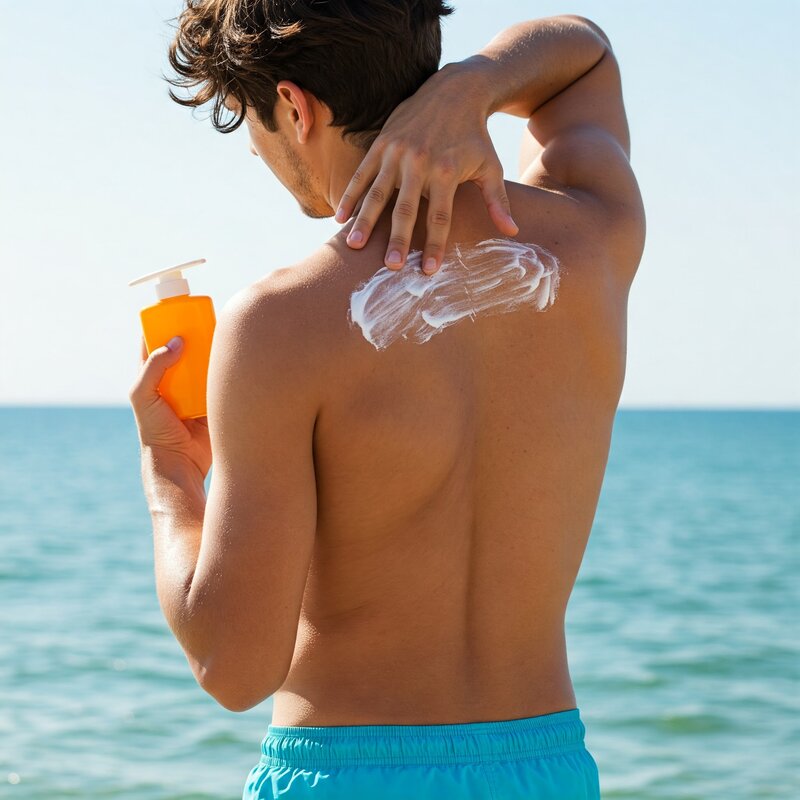
    Sunscreen is a must-have in any skincare routine, especially when spending time outdoors. But have you ever wondered how that lotion or spray actually protects your skin from the sun’s rays? Let’s break it down.

    Understanding UV Rays

    The sun emits ultraviolet (UV) radiation, which comes in two main types that affect your skin:

    • UVA rays: These penetrate deep into the skin and are associated with premature aging, wrinkles, and some types of skin cancer.
    • UVB rays: These affect the surface layers of the skin and are the main cause of sunburn. UVB is also linked to skin cancer.

    Both types can damage your DNA, increasing the risk of skin cancer over time. That’s where sunscreen comes in.

    How Sunscreen Works

    Sunscreens protect the skin by using active ingredients that either absorb, reflect, or scatter UV radiation before it can penetrate the skin.

    1. Chemical Sunscreens

    These use organic (carbon-based) compounds like avobenzone, oxybenzone, or octinoxate. They absorb UV rays and convert them into harmless heat.

    • How they work: Think of them as tiny sponges absorbing the sun’s energy.
    • Best for: Daily wear, as they’re often lightweight and invisible on the skin.

    2. Physical (Mineral) Sunscreens

    Physical sunscreens contain active mineral ingredients like zinc oxide and titanium dioxide. Contrary to the common myth that they mostly reflect UV rays, recent studies show that they primarily absorb UV radiation — just like chemical sunscreens. A small amount of UV radiation is also reflected or scattered.

    • How they work: These minerals absorb the majority of incoming UV rays and convert them into harmless heat. Only a minor fraction is deflected.
    • Best for: Sensitive skin, as mineral sunscreens tend to be less irritating and are often recommended for children and people with skin conditions.

    What Does SPF Mean?

    SPF stands for Sun Protection Factor. It indicates how long you can stay in the sun without burning compared to no protection.

    • For example, SPF 30 means you can theoretically stay in the sun 30 times longer without burning.
    • However, no sunscreen blocks 100% of UV rays. SPF 30 blocks about 97%, while SPF 50 blocks about 98%.

    SPF mainly measures protection against UVB rays. To ensure full coverage, choose sunscreens labeled “broad spectrum,” which protect against both UVA and UVB.

    Why Reapplication Matters

    Sunscreen can wear off due to:

    • Sweat
    • Swimming
    • Towel drying
    • Natural breakdown over time

    To stay protected, reapply sunscreen every 2 hours, or immediately after swimming or sweating.

    Tips for Effective Use

    • Apply generously — most adults need about a shot glass full for full-body coverage.
    • Don’t forget spots like ears, the back of the neck, tops of feet, and lips.
    • Use it every day — UV rays can damage skin even on cloudy days or through windows.

    Conclusion

    Sunscreen is a powerful tool that protects your skin by absorbing — and to a lesser extent, reflecting — harmful UV rays before they can cause damage. Both chemical and mineral sunscreens work primarily by absorbing ultraviolet radiation and converting it into harmless energy. Choosing the right sunscreen and applying it correctly and consistently is one of the most effective ways to maintain healthy skin and prevent long-term sun damage.

  • Why Do We Get Brain Freeze from Cold Food?

    Why Do We Get Brain Freeze from Cold Food?

    You’re halfway through a milkshake or taking a bite of ice cream when bam—your head feels like it’s being split in two. That sudden, sharp pain? That’s brain freeze. But what exactly is it, and why does it happen?

    The Science Behind the Freeze

    Brain freeze, or sphenopalatine ganglioneuralgia (say that three times fast), is basically your body’s overreaction to something super cold hitting the roof of your mouth.

    When something cold touches the palate (that’s the top part of your mouth), it causes blood vessels in the area to constrict rapidly. Then, just as quickly, they dilate again to warm things back up. That sudden change in blood flow triggers nearby pain receptors, which send signals to your brain—specifically the part behind your eyes.

    Your brain gets confused (because it’s dramatic like that) and interprets the pain as coming from your forehead. That’s called referred pain, and it’s the reason your head hurts even though the cold never actually touched your brain.

    How Long Does It Last?

    Usually, brain freeze lasts about 20 to 30 seconds, but those can feel like the longest seconds of your life.

    Can You Stop It?

    Yep! Try these tricks:

    • Press your tongue against the roof of your mouth. The warmth from your tongue can help normalize the temperature.
    • Drink warm water. A quick sip can ease the transition.
    • Tilt your head back or breathe through your nose. Both might help warm things up faster.
    • Eat cold stuff more slowly. Sorry, speed demons—pacing yourself really helps prevent it.

    Fun Fact:

    Not everyone gets brain freeze! It seems to affect people who are more prone to migraines. So if you’re one of the chosen few who feel the freeze, you’re in “special” company.

  • How Do Houseplants Purify the Air (or Do They)?

    How Do Houseplants Purify the Air (or Do They)?

    Houseplants are beloved for their aesthetic appeal and calming presence—but do they actually clean the air in your home? It’s a question that’s sparked both scientific research and internet myths. Let’s dig into what the evidence really says.

    The Origin of the Idea

    The belief that houseplants purify air goes back to a famous NASA study in 1989. Researchers wanted to explore ways to clean air in space stations, so they tested whether plants could remove certain airborne toxins like:

    • Benzene
    • Formaldehyde
    • Trichloroethylene

    The results showed that some plants—like the peace lily, spider plant, and snake plant—were effective at removing these chemicals in a sealed chamber.

    Sounds promising, right? Not so fast.


    What Later Studies Found

    Follow-up research in real-world conditions tells a different story.

    Yes, plants can absorb pollutants, but…

    They don’t do it fast enough to make a noticeable difference in typical home or office environments.

    In fact, according to a 2019 review published in the Journal of Exposure Science & Environmental Epidemiology, you’d need anywhere from 100 to 1,000 plants per square meter to match the air-cleaning capacity of a standard ventilation system.

    How Plants Do Contribute

    Even if they’re not magic air scrubbers, houseplants do offer some real benefits:

    1. Natural Humidifiers

    Plants release moisture through a process called transpiration, which can slightly increase humidity—helpful in dry indoor climates.

    2. Dust Reduction

    Plants may trap and slightly reduce airborne dust on their leaves.

    3. Psychological Boost

    Houseplants are linked to improved mood, reduced stress, and better concentration—arguably just as valuable as cleaner air!

    So, Should You Still Keep Houseplants?

    Absolutely. While they won’t replace your air purifier or HVAC system, houseplants can:

    • Enhance your indoor environment
    • Support mental well-being
    • Add a natural, calming touch to your space

    If you’re still hoping for air-cleaning effects, consider combining houseplants with regular ventilation, HEPA filters, and keeping harmful chemical sources (like harsh cleaners or paints) to a minimum.

    Best Houseplants (If You’re Still Curious)

    If you love the idea of air-purifying plants, these are often recommended for their resilience and slight filtering abilities:

    • Snake plant
    • Peace lily
    • Spider plant
    • Pothos
    • Areca palm

    Just remember: one plant in a corner won’t do much for air quality—but it will do a lot for your vibe.


    Conclusion

    Houseplants do have some limited ability to purify the air—but not to the extent that’s often claimed. To truly clean indoor air, ventilation and filtration are key. That said, the mental health and aesthetic benefits of plants make them well worth keeping around.

  • What Are Antioxidants And Do You Really Need Them?

    What Are Antioxidants And Do You Really Need Them?

    You’ve probably seen the word “antioxidants” splashed across health food labels, supplement bottles, and skincare ads. They’re often marketed as super-powered nutrients that fight disease and slow aging. But what exactly are antioxidants—and do you really need them?

    Let’s break it down.

    What Are Antioxidants?

    Antioxidants are compounds that help protect your body from oxidative stress—a type of damage caused by unstable molecules known as free radicals.

    Free radicals are byproducts of normal body processes like metabolism, but they can also be triggered by things like:

    • Pollution
    • UV radiation
    • Smoking
    • Alcohol
    • Unhealthy diets

    When free radicals build up, they can damage cells, proteins, and even DNA. This oxidative stress is linked to aging and a variety of health issues, including:

    • Heart disease
    • Cancer
    • Alzheimer’s disease
    • Inflammation

    Antioxidants help by neutralizing free radicals before they can cause damage.

    Types of Antioxidants

    Antioxidants aren’t a single substance—they’re a group of many different nutrients and compounds. Some of the most well-known include:

    • Vitamin C – found in citrus fruits, peppers, and berries
    • Vitamin E – found in nuts, seeds, and vegetable oils
    • Beta-carotene – a form of vitamin A found in carrots, sweet potatoes, and leafy greens
    • Selenium – a mineral found in Brazil nuts, fish, and grains
    • Polyphenols – found in green tea, dark chocolate, red wine, and many fruits

    Your body also produces its own antioxidants, like glutathione, to maintain internal balance.

    Do You Really Need More Antioxidants?

    Yes—but from food, not pills.

    A healthy diet rich in fruits, vegetables, nuts, and whole grains naturally provides antioxidants in the right amounts and combinations.

    Research shows that getting antioxidants from food is associated with numerous health benefits. But high-dose antioxidant supplements haven’t always shown the same results—and in some cases, they may even cause harm.

    For example:

    • Beta-carotene supplements have been linked to increased cancer risk in smokers.
    • Too much vitamin E may raise the risk of stroke.

    So while antioxidants are essential, more isn’t always better—especially in pill form.

    The Bottom Line

    Antioxidants play a vital role in protecting your cells and keeping you healthy. But you don’t need expensive supplements or trendy “superfoods” to get them. A balanced, colorful diet filled with plant-based foods will give your body all the antioxidants it needs.

  • Why is Himalayan Salt Pink? (And Is It Good for You?)

    Why is Himalayan Salt Pink? (And Is It Good for You?)

    If you’ve ever seen Himalayan salt, you’ve probably noticed its distinct pink hue—and maybe even wondered what gives it that color. This trendy salt has become a favorite in kitchens, spas, and wellness products around the world. But is it just a pretty alternative to regular table salt, or does it offer something more?

    Let’s explore why Himalayan salt is pink and whether it’s actually good for you.

    What Makes Himalayan Salt Pink?

    Himalayan salt is mined from ancient salt deposits located in the Punjab region of Pakistan, near the foothills of the Himalayas. The pink color comes from trace minerals, especially iron oxide (rust). These minerals are naturally present in the salt and give it that signature blush—ranging from soft pink to deep reddish hues.

    In addition to iron, Himalayan salt contains small amounts of other minerals like magnesium, potassium, and calcium, which contribute to its color and flavor profile.

    Is Himalayan Salt Healthier Than Regular Salt?

    Many wellness enthusiasts claim Himalayan salt is a healthier alternative to regular table salt. But how true is that?

    Here’s a breakdown:

    1. Mineral Content

    Himalayan salt does contain more trace minerals than table salt—up to 84 different minerals. However, these are present in very small quantities, often not enough to make a significant difference in your daily nutritional intake.

    2. Less Processed

    Unlike refined table salt, Himalayan salt is typically less processed and doesn’t contain additives like anti-caking agents. This can be a plus if you’re looking for a more natural product.

    3. Sodium Levels

    Despite the added minerals, Himalayan salt is still about 98% sodium chloride, just like table salt. So from a sodium standpoint, both types are quite similar. Overconsumption of either can contribute to high blood pressure and related health problems.

    4. Iodine Consideration

    Table salt is often iodized, meaning it has added iodine to help prevent iodine deficiency. Himalayan salt is naturally low in iodine, so if you’re relying on salt for your iodine intake, keep this in mind.

    So, Is It Good for You?

    Himalayan salt is not a miracle health product—but it’s a flavorful, natural option with a beautiful color and fewer additives. It’s great for cooking, finishing dishes, or even using in bath salts and salt lamps. However, it should be consumed in moderation, just like any other salt.

    If you enjoy the taste and aesthetic of Himalayan salt, feel free to use it. Just don’t expect it to cure health conditions or dramatically improve your diet.